CrossFit and the Paradox of Safety vs Intensity P1
“All CrossFit cares about is the scoreboard!”
“CrossFit is too intense to be safe!”
“CrossFit doesn’t care about technique!”
“High-rep Olympic lifts are dangerous!”
“You need to be fit before doing CrossFit, or you will get injured!”
“Normal people should NOT lift heavy!”
These are just a snapshot of the various comments I have seen and heard. For as long as CrossFit has been around, I am still thrown off by the assumption that the program is inherently dangerous or by a mindset that you cannot have a safe program that also drives intensity. By now, I don’t think the people saying these things even believe what they are saying is true.
In fact, many of the same elements that promote safety also help increase true intensity. Further, there needs to be a safety focus to drive long-term intensity. Before going further, let’s make sure we are on the same page with what intensity and safety are:
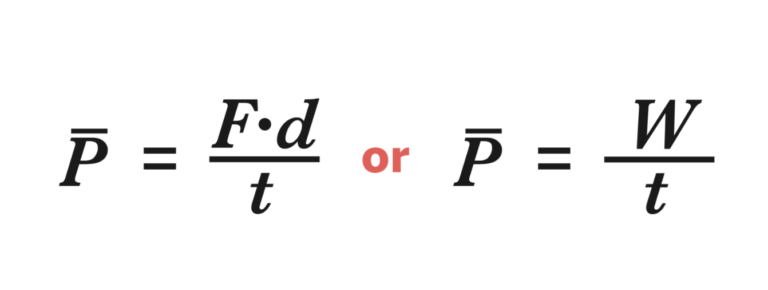
Intensity: CrossFit defines intensity as power (force x distance/time). The uniqueness and importance of this definition lie in its measurability. Absolute intensity (power) is enhanced by focusing on proper movement mechanics to move as efficiently as possible.
Another key component is that intensity is relative to the individual’s physical and psychological tolerance. This variable means CrossFit can be for everyone, and we modulate intensity via scaling to meet people where they are.
Safety: We are discussing the risk of injury. Safety is enhanced through proper movement mechanics, progressively increasing intensity over time, effective scaling, and sound judgment informed by each athlete’s daily needs.
It is important to note that we do NOT expect our program to be 100% safe. This is not a claim we have ever made. For other unfounded safety claims, read this. Instead, we focus on achieving outstanding results when assessing the safety, efficacy, and efficiency of our program for daily workouts and over the long term.
Why do people think safety and intensity are at odds?
Many individuals don’t understand what “intensity” is. Intensity, with a typical mindset, may be thought to be associated with reckless hard work at all costs. While hard work is a key attribute of our program, it is essential to note that our coaches look for the correct balance of intensity and sound mechanics. This balance is reconciled through threshold training. In short, we want athletes to push the boundaries of technique and intensity where the speed, volume, or loading may cause infrequent, minor deviations in mechanics. The coach is responsible for managing this for every workout, for every athlete.
Mindset Shift: Safety is the Foundation for Sustainable Intensity
CrossFit has a long-held blueprint for the program coaches and athletes alike may need to constantly revisit: Mechanics > Consistency > Intensity.
Mechanics: Establishing sound movement mechanics is prioritized in our program. This involves periods when athletes may move at slower speeds, with reduced volumes and lighter loads, while developing the mechanics of a movement. Focused development on movement mechanics is not solely reserved for new athletes. Nearly every session will involve focused skill-development work to refine mechanics and prepare for the specific demands of the workout.
Consistency: This means that athletes perform the mechanics correctly the gross majority of the time. Consistency also implies that athletes are consistently attending classes, so their adaptations are constant
Intensity: After mechanics and consistency are established, we can then start to focus on increasing intensity or difficulty through increased loads, increased speed, higher volumes, higher skill, etc.
The obvious benefit is that this charter reduces the risk of injury and allows for a gradual increase in difficulty. This charter also allows for a long-term improvement in intensity:
Being that this pathway enhances safety, this will allow the athlete to perform more high-intensity workouts in the years to come.
The pathway sets the foundation for efficient movement. Efficient movement allows more work to be done in less time, resulting in a direct increase in intensity (power). Efficient movement will also allow for increased loads to be lifted and higher-level skills to be developed.